
Roofing Debris Crisis After Historic Hailstorm
In the sticky May heat following Fort Worth’s 2004 hailstorm, neighborhoods like Butler were buried under torn shingles and splintered wood. I remember the sharp smell of wet asphalt and rubber mixing with the dust kicked up by frustrated contractors trying to clear driveways. With narrow streets and limited turnaround space, standard roll-offs couldn’t access job sites without blocking traffic or damaging lawns. Contractors risked project delays and neighbor complaints if debris wasn’t removed fast—and cleanly.
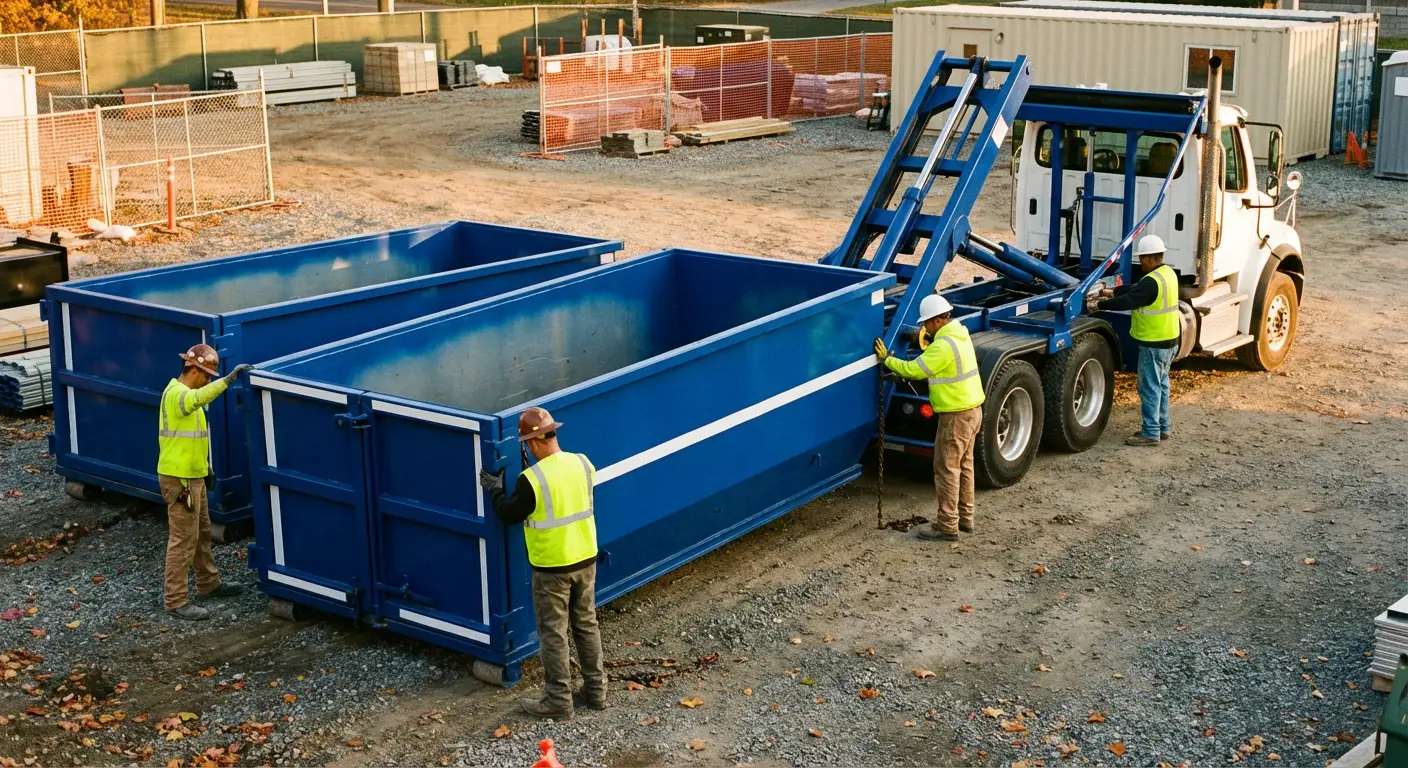
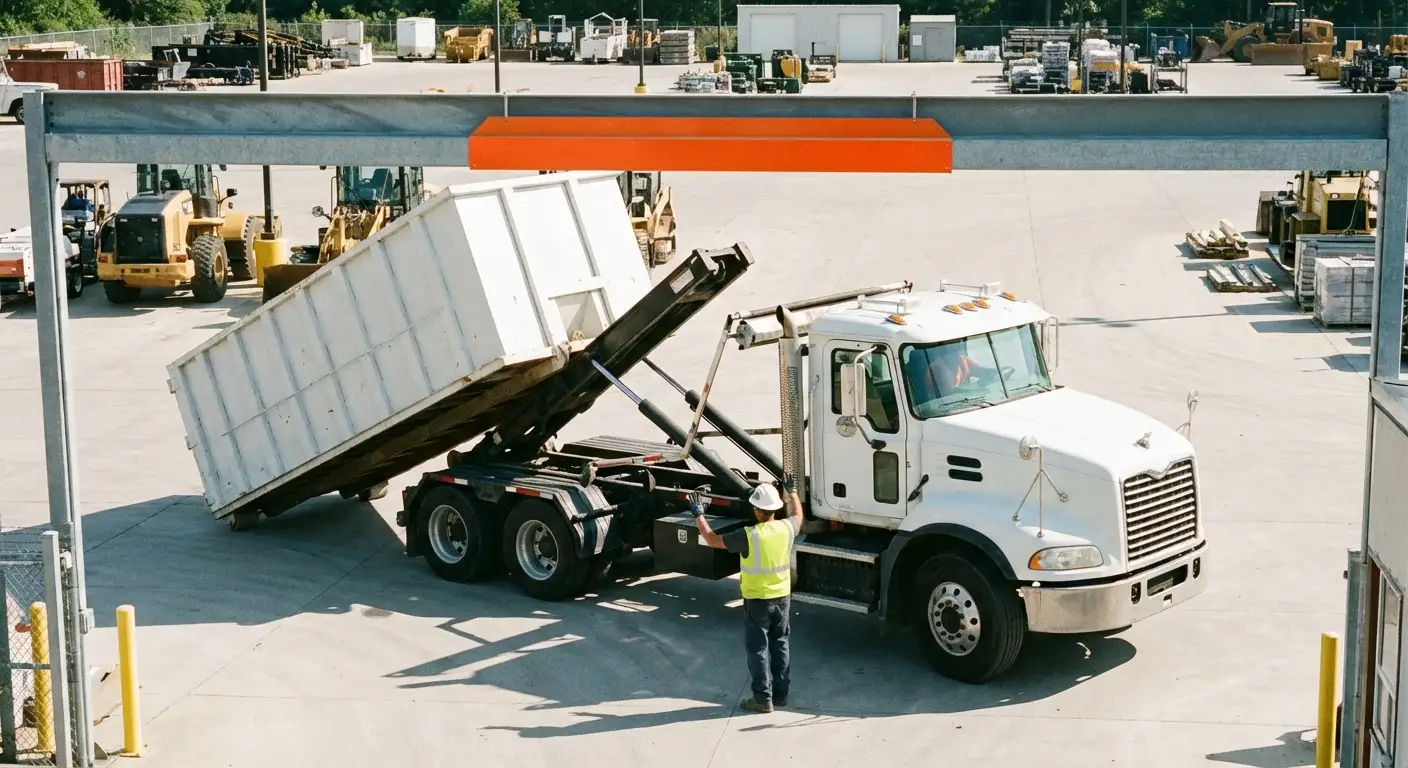
We deployed our compact yet high-capacity 15-yard roll-offs with hydraulic lift systems that require minimal street clearance. Our crew staged units overnight near Rock Island–Samuels access points, then swapped full containers before sunrise to avoid daytime congestion. Using GPS-tracked routing, we kept turnaround under two hours per site. Roofers stayed on schedule, and residents barely noticed the operation beyond cleaner streets by breakfast.
They showed up before dawn, hauled everything without a scratch on my driveway, and I never had to think about it again.
Marcus T., Roofing Contractor